
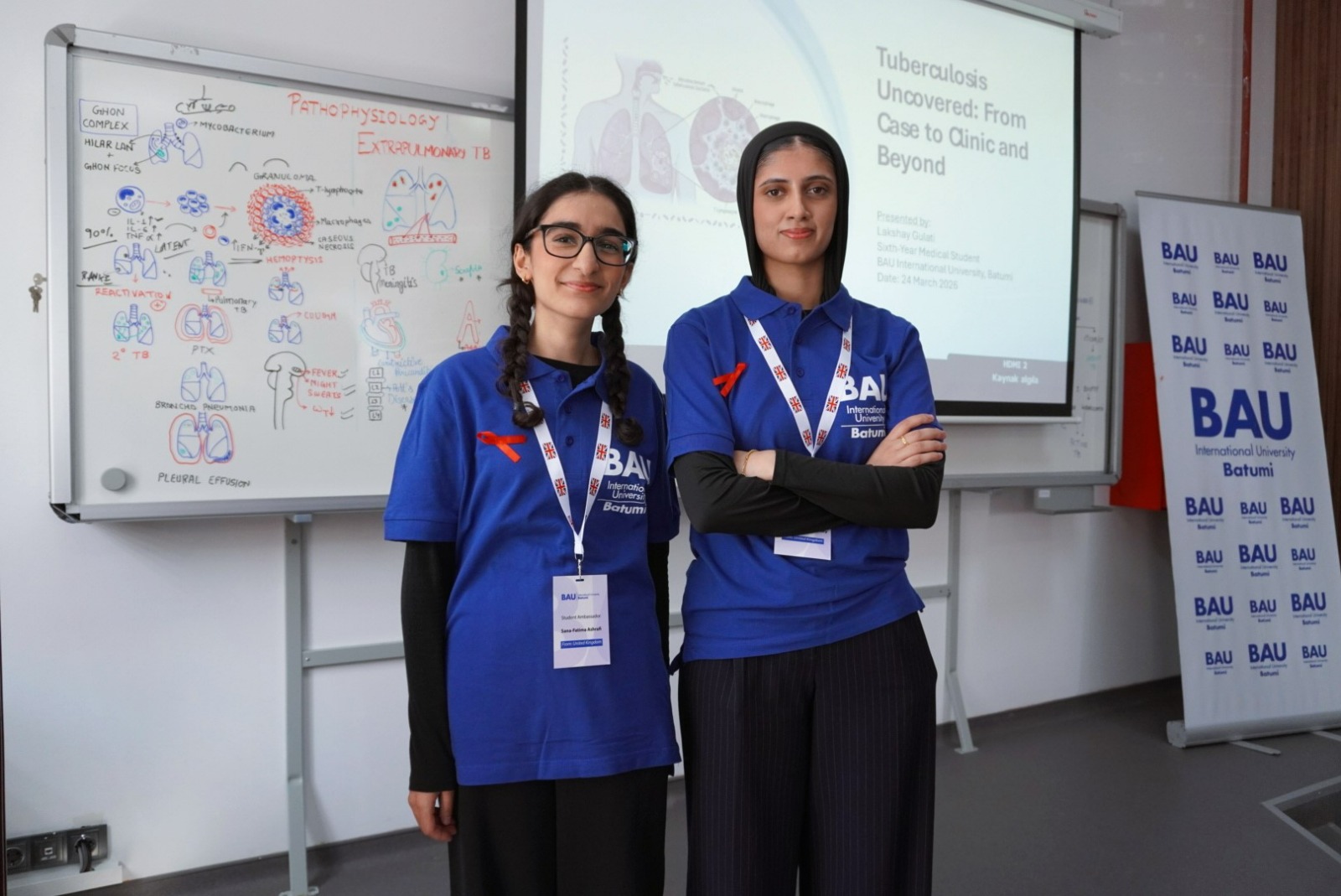
Tuberculosis (TB) is an airborne bacterial infection that primarily attacks the lungs, spreading quietly when an infected person coughs, sneezes, or even speaks. What makes TB particularly challenging is that it can exist in the body without causing any symptoms; this is known as latent TB. In these cases, people feel completely healthy and are not contagious, yet the bacteria remain. For approximately 5–10% of people, the infection becomes active, leading to illness that can be serious if left untreated. TB is both preventable and curable, usually with a consistent course of antibiotics.
Although global efforts have reduced its impact, Tuberculosis has become far less of a threat in Georgia in recent years, thanks to strong public health measures and consistent progress in control programs. Organizations such as the National Center for Disease Control and Public Health continue to focus on early detection, effective treatment, and ongoing awareness to ensure TB remains under control. Factors like weakened immunity (for example, from HIV), diabetes, poor nutrition, smoking, and alcohol use can increase the risk of developing active TB: reminding us that this disease is closely tied not just to biology, but to overall living conditions and health. Tuberculosis can be prevented through early identification of latent infections, vaccination of high-risk groups, and minimising exposure to active cases.
Preventative treatment involves taking medication to prevent the infection from becoming active disease, particularly for those with HIV or for household contacts of active TB patients. The Bacillus Calmette-Guérin (BCG) vaccine is available to prevent severe TB in children, though its effectiveness in adults is limited. It is recommended for people aged 35 and under who will spend extended time in countries with higher TB prevalence or for those at occupational risk. Currently, there is no widely approved vaccine for adults but several are in advanced trials, such as M72 and MTBVAC. Simple infection control measures – such as good respiratory hygiene, proper ventilation, and avoiding close contact with active TB cases – help reduce transmission. Early screening via blood or skin tests enables timely treatment, and healthcare professionals benefit from personal protective equipment (PPE), such as N95 respirators.
Maintaining a healthy lifestyle also supports prevention by strengthening the immune system. Tuberculosis is the world’s leading cause of death from a single infectious agent, and among the top 10 causes of death. In 2024, it was also both the leading killer of people with HIV and a major cause of deaths related to antimicrobial resistance. An estimated 10.7 million people fell ill with this condition, and over 1.2 million lives were lost. The highest burden areas include South-East Asia (34%), the Western Pacific (27%), and Africa (25%). The top high-burden countries are India (26%), Indonesia (10%), China (6.8%), the Philippines (6.8%), and Pakistan (6.3%). Although the number of cases is decreasing, the 2025 goal of a 75% reduction in deaths compared to 2015 was not met. This is due to many factors such as underfunding, health inequalities, and drug-resistant strains of TB. Due to tuberculosis care being readily available and accessible in Georgia, only 254 new cases were reported in 2024.
Global efforts to fight tuberculosis have saved approximately 83 million lives since 2000. In the western region of Georgia, a man named Omar, 39, battled one of the toughest forms of Tuberculosis: multidrug resistant TB (MDR TB). Eight months after his symptoms began, including fatigue and serious lung issues, Omar was diagnosed at a hospital in Zugdidi with MDR TB—a strain that doesn’t respond to the most common antibiotics. He was admitted and started treatment in July of that year. At first, Omar struggled. He couldn’t work, his voice was weak, and he had trouble walking. But with support from medical teams in Zugdidi, including social and material help, he never missed a single treatment session. His home was made suitable for recovery, and his family received essentials like food and warm clothing during winter. Today, Omar’s health is improving.
His voice is returning, his strength has grown, and he plans to continue treatment until he is fully healed so he can return to work and support his family. His story shows that even when TB is difficult to treat, early diagnosis and consistent care can lead to real recovery. His journey highlights both the challenges of the disease and the power of treatment and support.